Waiting to Be Witnessed: When Sexual Intimacy in Marriage Feels Disconnected
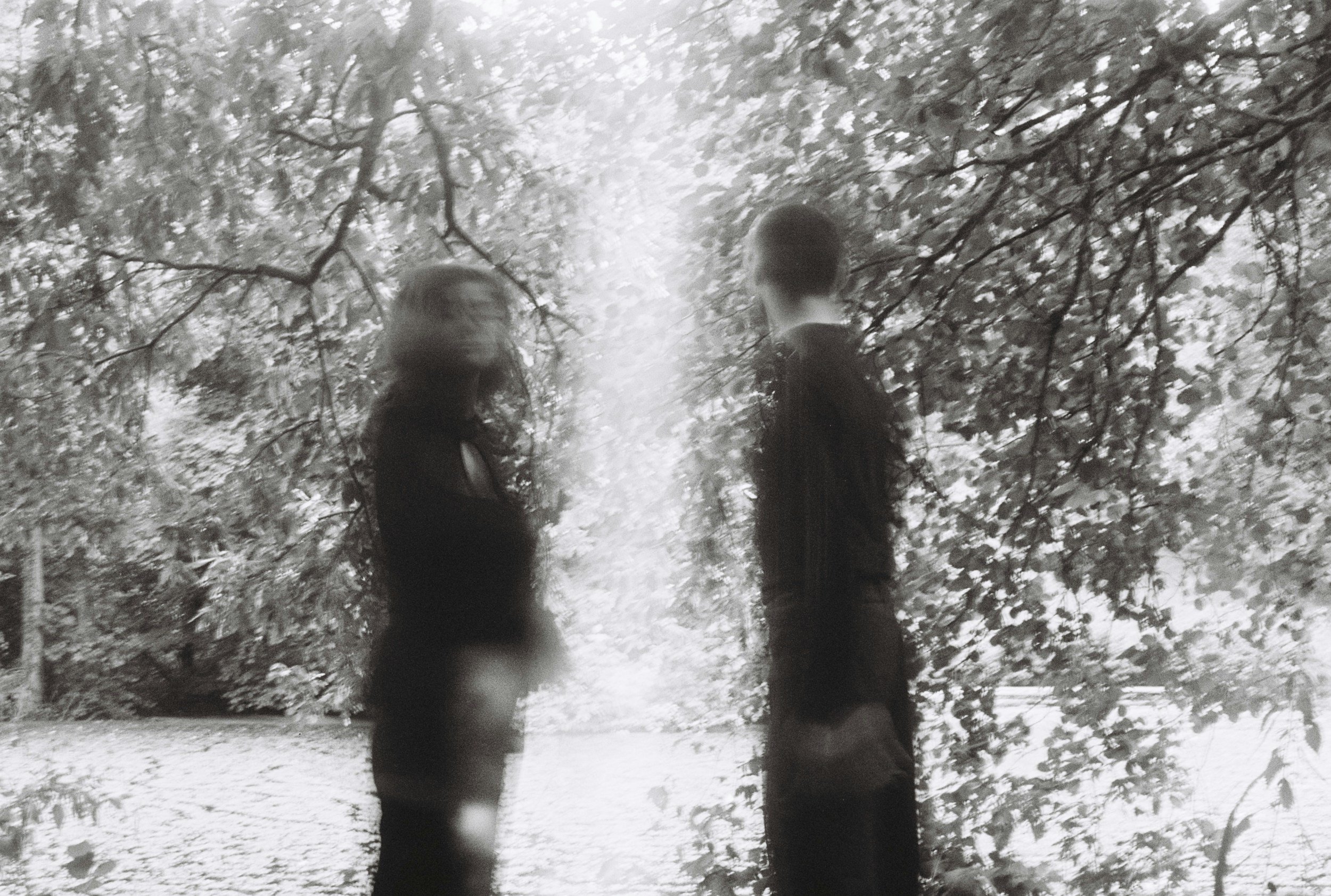
What if intimacy struggles in marriage were never the problem to be solved, but symptoms of something deeper that has simply been waiting, all this time, to be witnessed?
If you've been following my recent Reels and TikToks over the last two weeks (or you're subscribed to my newsletter), you've likely already met Hamza and Sarah — glimpses into the life behind the "they've got it all together" Muslim couple with kids, offered in small pieces, each one asking a little more of you than the last. What follows here is the fuller shape of their story, the parts that don't fit into a short video, as we travel back in time with them to peel back the layers of their marriage.
Hamza and Sarah are not one couple, though it may feel that way as you read. They are composed of many — years of sitting across from husbands and wives, in different cities, from different backgrounds, who kept arriving at the same quiet ache in different words. If something in their story lands close to home, that is not incidental. It is because so many of us are living some version of what they are living, often without ever having said it aloud, even to ourselves.
From the outside, theirs is a marriage that works. Mid-forties, two children, a home that runs on the steady rhythm of school pickups and grocery runs and Friday nights that used to mean something and now mostly mean sleep. They are kind to one another. They move through parenting like a practiced team. If you asked either of them whether the marriage was good, they would likely say yes, and they would not be lying.
And still, evening after evening, the same quiet unfolds. Hamza on the couch, phone in hand, scrolling long past the point where there is anything left to find there. Sarah moving through the kitchen and the living room, gathering the small debris of a day spent with two children under six, tidying not because the house truly needs it but because there is something in the motion that keeps her from having to sit still with whatever is underneath. A few words pass between them, and nothing about those words is unkind. It is simply that they are occupying the same rooms without quite arriving in the same moment, and neither of them has the language to name what keeps them apart.
It would be gentler to call this a season of life — young children, tired bodies, the ordinary erosion that comes with years. And there is truth in that. But it is not the whole truth, and beneath it sits something that has been asking to be seen for far longer than either of them has been willing to look.
In their intimacy, Sarah is present. She shows up fully, she has never withheld herself, and by every outward measure she is a willing and engaged wife. And yet sexual pleasure — the kind that rises unbidden from somewhere within her, rather than something she performs or offers — has never once arrived. Quietly, in the parts of herself she rarely lets anyone witness, she has begun to wonder whether the absence means something is wrong with her.
Earlier in their marriage, Hamza found himself turning to pornography, on and off, in the way so many husbands quietly do without ever naming it to another soul, sometimes without fully naming it to themselves. It was never about loving his wife any less. It was that something in him had gone searching — for relief, for escape, for a kind of connection he did not have words for and had never been taught to look for anywhere else.
What matters most in all of this is that none of it was ever really about sex. The scrolling and the tidying, the distance that settles into their evenings, the pleasure that has never arrived for Sarah, the pull Hamza has felt toward pornography — these are not separate struggles living in separate corners of the marriage. They are the same disconnect, wearing different faces, surfacing wherever it can find an opening. What shows up in their sexual intimacy is not the wound itself. It is the place where the wound has finally become visible enough to be named. The roots reach back much further — into what each of them absorbed, long before they ever knew one another, about closeness and worth and what was safe to want and safe to feel out loud.
This is why no checklist, no “spice up your sex life” technique, no well-meaning advice about intimacy frequency or communication was ever going to be enough. A soul also cannot be reached by reminders about religious rights, duties, and responsibilities;. It can only be reached through witnessing.
And this is only half of what Hamza and Sarah have to show us. There is more still — more of what shaped each of them long before the wedding day, more of what it eventually asked of them to turn toward one another instead of away, to let themselves be witnessed rather than managed.
Next month, we are opening a space built entirely around what their story keeps pointing to — a season-long container for those ready to trace what has been quietly waiting beneath their own sexual intimacy struggles, and to meet each other there again, perhaps for the first time.
Season 1 is coming. If any part of Hamza and Sarah feels like your own reflection, you are exactly who it was built for.
Follow along with the rest of Hamza and Sarah's story - and receive exclusive updates about Season 1 - by subscribing to my newsletter below.
